Beat the Machines: Proven Video Poker Strategy for Better Returns
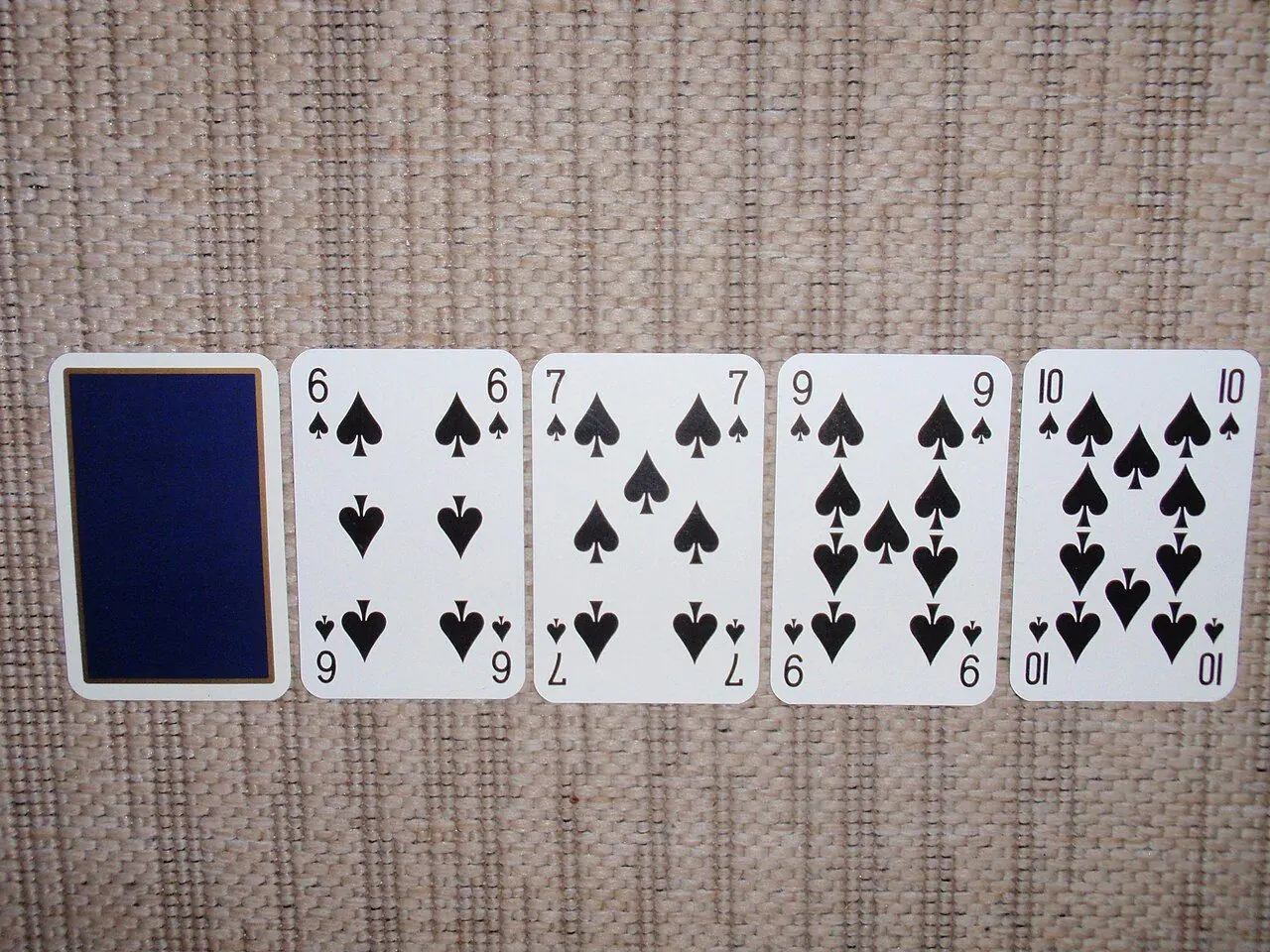

For most, video poker is a bit of an obsession—not just because it's quick and entertaining, but because you can really win some money. Plenty of regular players have hit a jackpot at some point, but does that make everybody a long‑term winner? Not always. If you play the right video poker games and follow a few sensible guidelines, you have a much greater chance of coming away from the casino with more money. As you determine where you should play, start by comparing top video poker casinos with good paytables, okay promos, and reliable payouts.
The key difference between slots and video poker is control. You are playing against the machine and making strategy decisions in video poker; slot outcomes are 100% random once you spin. Make the right decisions and you can turn video poker into a more skill‑dependent, potentially more lucrative alternative to traditional slots. In fact, most video poker games return more to the player—especially when played with optimum strategy—than do most basic slot games.
Playing Video Poker
1. Max bet coins. Always insert the maximum number of coins/credits the machine will take. This unlocks proportionally greater payback—above all the maximum Royal Flush payout. If the max bet is unaffordable, move down to a lower‑denomination machine where you can play maximum credits.
2. Deal. Click Deal and you will be dealt five face‑up cards.
3. Choose what to hold. Because this is a draw‑style poker game, you may keep (hold) or discard any number of cards—anywhere from none to all five. You're trying to end up with the best possible 5‑card poker hand, using any cards you hold and the replacements you draw.
To hold a card, click the Hold button beneath it (or click on the card itself). A marker appears that it's held in; the button label usually flips to Draw (or Discard / Release, machine dependent). Changed your mind? Click again to release it. Which cards you should hold depends on the specific video poker game (e.g., Jacks or Better, Deuces Wild, Bonus Poker), as each has its own paytable and therefore its own optimum decisions.
4. Draw. Click Draw (also called Deal/Draw or Sacar) once you've selected the cards you want to keep. The rejected cards are replaced from the virtual deck. Your final hand is the collection of your kept cards and the new ones—that's always five cards in total.
5. Receive pay. The game compares your finished hand to the machine's paytable and awards credits according to the listed returns for your betting level. Remember: in video poker you don't play against other players or a dealer's hand; payoffs come from the machine's layout. Any payout is transferred to your credit meter immediately.
6. Play another round. To deal a new hand, click Deal; the deck is re-shuffled each round.
Winning at Video Poker: What You Should Know
Learn the mechanics behind the game before we discuss individual strategy rules:
- Video poker machines are run on a random draw. Each hand is an independent event.
- Machines aren't "due" to pay off after a long dry spell, nor are they "cold" because someone just won a jackpot.
- Chasing (or avoiding) a machine because of a big win recently is unjustified; previous results do not affect the likelihood of the next deal.
- A Royal Flush appears about once in around 40,000 hands on most typical games (the exact figure varies by paytable and strategy, but that rough approximation sets expectations).
Video Poker Strategy: Basic Guidelines
Use these simple heuristics to squeeze the most out of the machine. (These are general rules of thumb aimed at common "Jacks or Better–style" paytables; specific variations may change priorities.)
- Hold high cards (A, K, Q, J). But split a single Ace if your hand also has three other high cards in combinations such as A‑K‑Q, A‑K‑J, or A‑Q‑J when this maximizes your draw possibilities. (That means don't automatically hold the Ace when a better high‑card combination or draw is possible.)
- Hold a low pair (2s–10s) unless you also have three cards to a Straight, Flush, or Royal that has higher expected value.
- Draw to the Royal. If you have three cards to a Royal Flush, hold them—even if you would otherwise draw to a regular Straight or Flush.
- Hold a high pair (Jacks or better) unless you have a strong draw to a Straight Flush / Royal Flush that mathematically beats it.
- Always keep Two Pair—except in exceptional circumstances where breaking it up makes a big difference in your Royal Flush prospects (consult the specific game's strategy chart before trying to do this in practice).
- Keep a Flush draw over a Straight draw when the expected value is greater for the Flush (common for most paytables in which Flush pays more than Straight).
Final Thought
These guidelines won't make each session a winner, but they do get you nearer to perfect play and protect your bankroll. For very tight strategy—hand by hand—refer to a comprehensive strategy chart for the particular video poker game you are playing and follow max‑coin play when your bankroll allows.
Il gioco con vincita in denaro è vietato ai minori e può causare dipendenza. BetBookie non accetta scommesse e non promuove operatori. Telefono Verde Nazionale ISS 800 558822, dal lunedì al venerdì, dalle 10 alle 16.